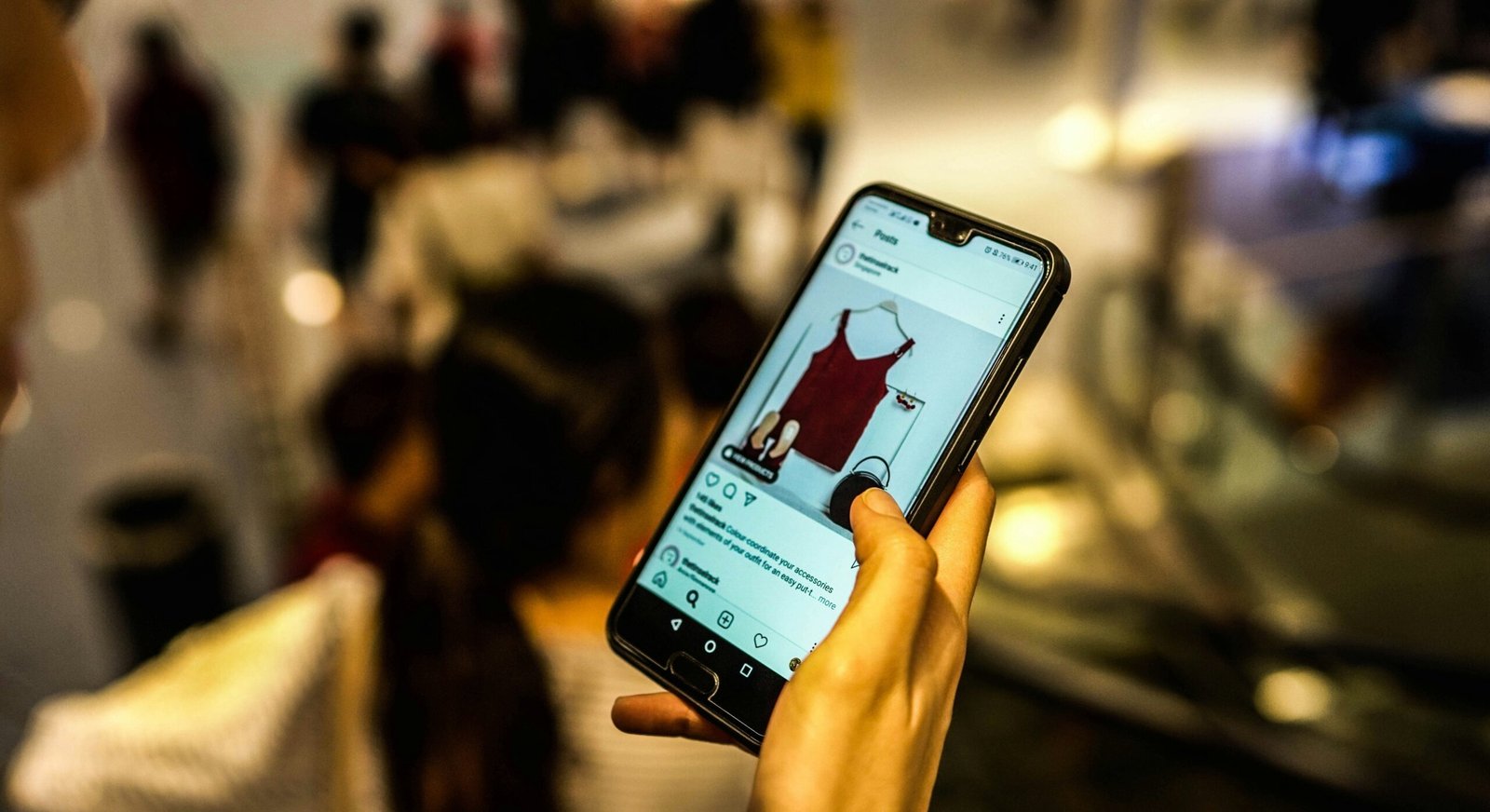
Picture the last time you bought something online. You probably searched for a product, scrolled through a sea of identical white-background photos, read a few conflicting customer reviews, guessed your size based on a confusing chart, and crossed your fingers that the item actually fit when it arrived on your doorstep three days later.
Buying things online is easy compared to driving to a crowded mall, but the core experience has stayed largely the same for twenty years. You look at flat pictures on a glowing screen, tap a button, and wait.
That static routine is fading away.
Retail technology is shifting rapidly. The next wave of e-commerce combines immersive spatial computing, hyper-personalized machine learning, and instant fulfillment networks. Shopping is transforming from a flat, search-and-click chore into an interactive, visual experience.
Let us break down how e-commerce technology is changing, what innovations are taking over digital storefronts, and how these shifts will impact the way we buy everything from sneakers to sofas.
1. Visual Search and Spatial Computing
For decades, finding a product online meant relying entirely on keywords. If you saw a unique jacket on someone in a movie or spotted a coffee table in a design magazine, you had to guess the right search terms—“wooden minimalist low coffee table round”—and hope the results matched your mental image.
Visual search changes that interaction completely.
Point, Shoot, and Buy
Instead of typing descriptions, you snap a photo or upload a screenshot to an app. Computer vision models analyze the fabric pattern, color gradient, shape, and brand details instantly, pulling up exact matches or close alternatives across thousands of online retailers in milliseconds.
[ Snap Photo of Item in Public ]
│
▼
[ Computer Vision Analysis ] ──► (Identifies pattern, texture, shape, color)
│
▼
[ Instant Multi-Store Match ] ──► (Brings up exact product or budget alternatives)
Augmented Reality Try-Ons
Shopping for clothes or furniture online always came with a frustrating guessing game. Will this couch fit through our living room door? Will these running shoes look neon orange in daylight?
Augmented reality (AR) bridges that gap. Using your smartphone camera or smart glasses, you can project a 3D digital model of a sofa directly into your living room to check its scale against your coffee table. You can use virtual try-on filters to see how glasses frames sit on your face or how a specific lipstick shade matches your skin tone before spending a dime. Returns drop sharply, and buyer’s remorse shrinks right along with them.
2. Hyper-Personalization: The Tailored Storefront
When you walk into your favorite neighborhood coffee shop, the barista recognizes you, remembers your usual order, and asks how your weekend went. For a long time, online shopping lacked that human warmth. Every user who visited a major retail site saw the exact same homepage banner, whether they were shopping for winter coats in July or baby gear as a single college student.
Machine learning has turned digital storefronts into dynamic, individual spaces.
Today’s recommendation engines analyze live behavioral data:
- How long do you hover over a specific product image?
- What time of day do you browse?
- What price points do you filter out?
When you log into a modern shopping app, the homepage rearranges itself specifically for you. It highlights brands you actually like, hides styles you have previously skipped, and offers personalized bundle discounts based on your past purchasing habits. Instead of digging through endless catalog pages, you find what you need within seconds.
3. Conversational Commerce and AI Shopping Assistants
Online shopping filters and sorting menus can feel tedious. If you want to buy a complete outfit for a destination wedding in Mexico next month, you might need to search separately for dresses, shoes, jewelry, and lightweight wraps across five different tabs.
Conversational commerce replaces rigid category filters with natural human dialogue.
Shopping assistants powered by advanced natural language processing act like personal stylists available twenty-four hours a day. You type or speak naturally:
“I need a breathable outdoor outfit for a beach wedding next month, keeping my budget under two hundred dollars, and I prefer earthy green tones.”
The AI assistant scans multiple inventories, pairs matching items together, checks your saved size preferences, and presents a curated outfit bundle. You review the picks, swap out the shoes with a quick follow-up prompt, and check out the entire cart with a single click.
Shopping starts to feel less like data entry and more like talking with a helpful retail associate.
4. Frictionless Checkout and Automated Retail
Waiting in a long checkout line at a physical store is annoying. Filling out shipping addresses, credit card numbers, and billing zip codes for the tenth time on a new e-commerce site is just as frustrating.
E-commerce infrastructure continues to strip away checkout friction:
- One-Tap Universal Wallets: Digital wallets store your encrypted shipping preferences and payment methods securely, letting you check out on brand-new websites with a single tap without retyping card numbers.
- Autonomous Delivery: Local fulfillment centers are testing drone deliveries and sidewalk robots for small parcel drop-offs, cutting delivery windows down from days to under an hour for urgent household goods.
- Automated Physical Stores: Cashierless brick-and-mortar stores use overhead computer-vision cameras and shelf weight sensors to track what you pick up. You walk in, grab your groceries, and walk out—your digital account charges automatically without stopping at a register.
5. Sustainable E-Commerce and Circular Supply Chains
Fast shipping has a hidden cost. The environmental footprint of cardboard box packaging, expedited air freight, and massive product return rates puts immense strain on natural resources.
Consumer demand and shifting regulations are forcing e-commerce platforms to rethink their backend logistics.
- Smart Packaging: Retailers are adopting reusable, modular shipping containers made from recycled materials that customers mail back easily for cleaning and reuse.
- Predictive Inventory Distribution: Instead of shipping a single item across the country from a centralized warehouse, machine learning algorithms predict regional demand, stocking local distribution hubs ahead of time to shorten delivery routes and lower carbon emissions.
- Resale Integration: Major fashion and electronics brands now build official trade-in and certified pre-owned marketplaces directly into their primary websites, making circular shopping just as easy as buying brand-new items.
Looking to the Future of Retail
The future of e-commerce is not about staring at flatter screens or clicking faster buttons. It is about removing the barriers between imagining a product and experiencing it.
By blending augmented reality, conversational AI assistants, and hyper-personalized recommendations, digital retail is becoming more intuitive, sustainable, and human. Shopping is turning into an experience that meets you wherever you are, anticipating your needs before you even start searching.
Leave a Reply