Picture a traditional classroom from a few decades ago. Rows of wooden desks faced a massive green chalkboard. The teacher stood at the front, armed with colored chalk, lecturing from a textbook that was already five years out of date. If you missed a class, you borrowed a classmate’s messy notebook and tried your best to copy down what you missed before tomorrow morning’s quiz.
Now walk into a modern learning environment.
Students open lightweight tablets to collaborate on a live group project with peers sitting in three different time zones. A teacher uses a quick digital poll to instantly gauge who understood a complex algebra concept and who needs a little extra help. Meanwhile, a student with dyslexia uses built-in text-to-speech tools to read historical documents at their own pace without feeling singled out.
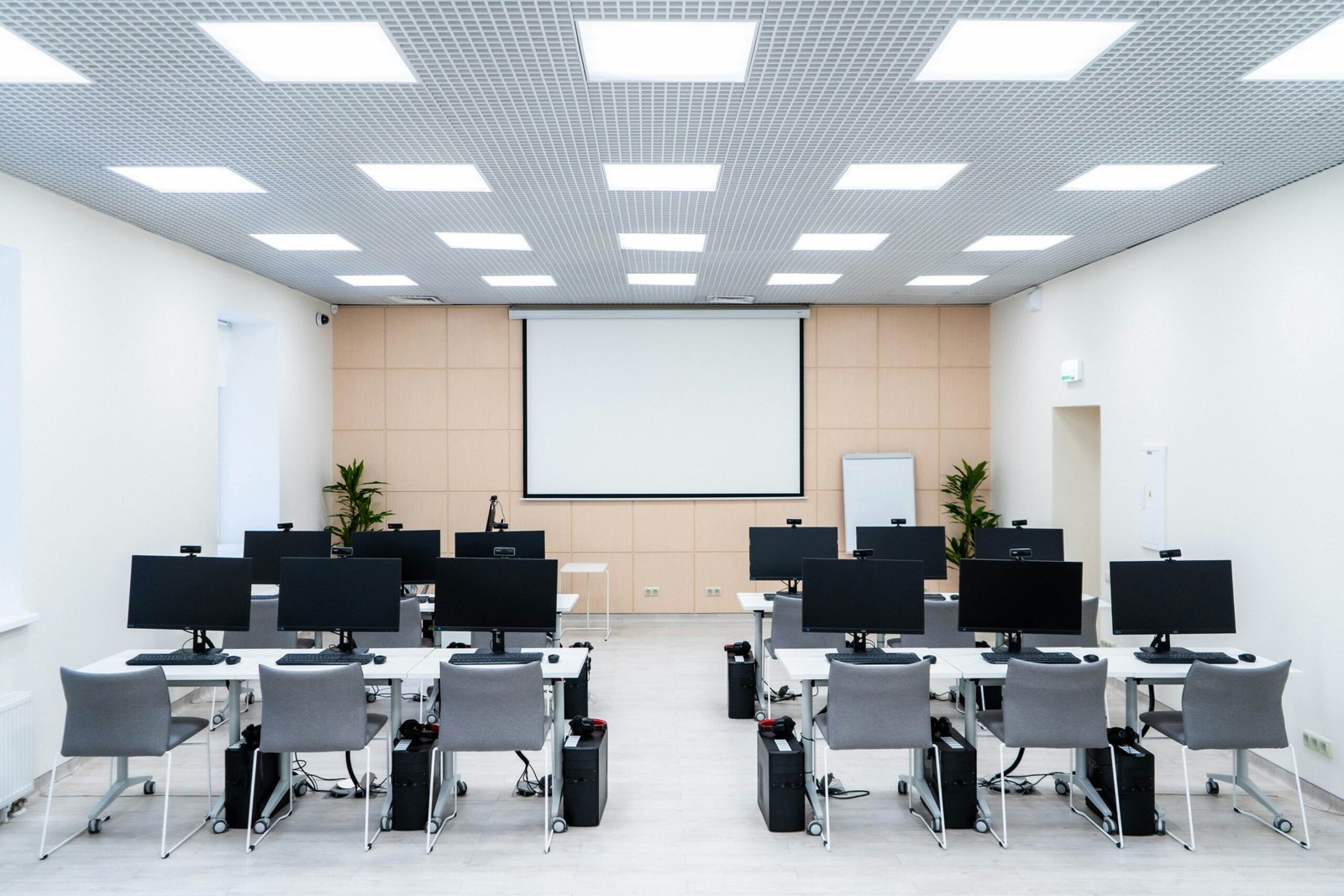
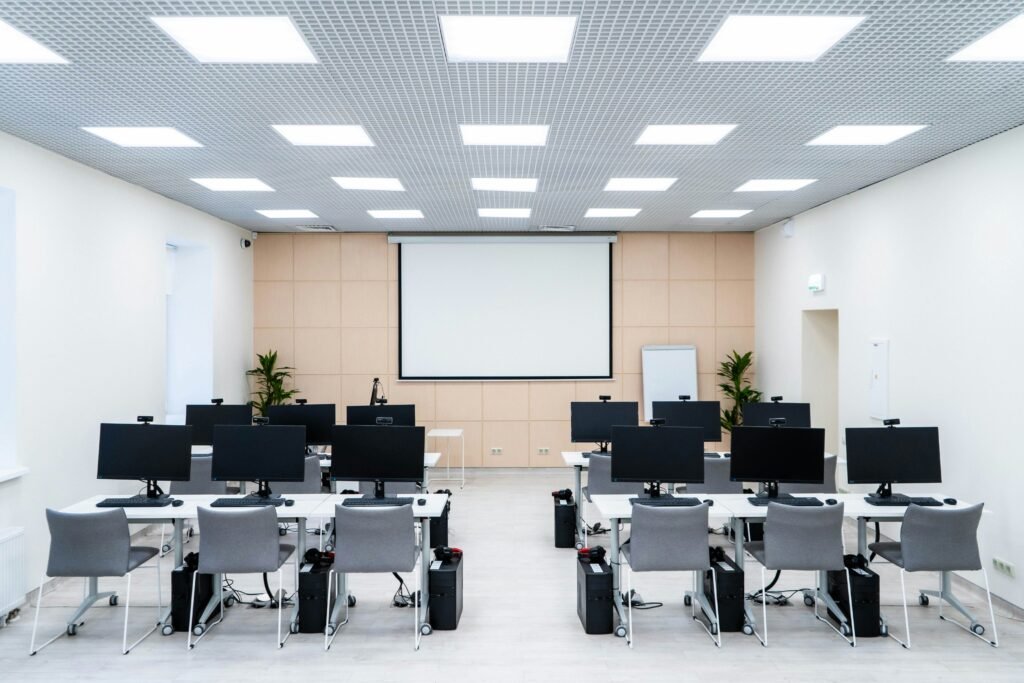
Technology has fundamentally reshaped education. It is no longer just a digital projector wheeled into the corner of the room once a week. It acts as the underlying infrastructure of how students learn, how teachers instruct, and how schools operate.
Let us break down how modern technology is changing education, where it solves age-old problems, and what challenges we still need to navigate.
1. Personalization: Moving Beyond One-Size-Fits-All
For generations, education operated on an industrial model. A teacher stood before thirty students of varying skill levels, taught a lesson at a single pace, and gave everyone the exact same homework assignment.
That approach left two groups behind: students who got bored because the material moved too slowly, and students who fell behind because they needed more time to grasp foundational concepts.
Adaptive learning software changes that dynamic entirely.
- Customized Practice: When a high school student practices chemistry equations on an interactive learning platform, the software tracks which problems take longer to solve.
- Dynamic Adjustments: If the student struggles with balancing chemical equations, the system automatically slows down, provides extra practice hints, or serves up a short explainer video. If they ace the section, it skips the redundant review and moves them forward.
Instead of forcing every student into the exact same mold, technology tailors the learning curve to the individual.
2. Accessibility: Breaking Down Physical and Cognitive Barriers
Education should be accessible to everyone, regardless of physical location, sensory ability, or learning style. For a long time, accommodating students with disabilities required clunky, expensive specialized equipment that isolated them from the rest of the class.
Modern digital tools build accessibility directly into everyday devices:
- Live Transcription and Translation: Video lectures feature real-time captions for students with hearing impairments or those learning English as a second language.
- Screen Readers and Voice Dictation: Students with visual impairments or physical motor challenges can navigate operating systems, write essays, and submit homework entirely through voice commands.
- Geographic Flexibility: A high schooler living in a remote rural town can take specialized advanced placement courses or learn coding languages that their local school district could never afford to staff full-time.
[ Traditional Classroom ] ──► One size fits all, rigid pace, geographic limits
│
▼
[ Tech-Enabled Learning ] ──► Adaptive software, built-in accessibility, remote access
Learning is no longer confined by physical geography or standard physical textbooks. If you have an internet connection and a device, the doors to global knowledge open wide.
3. Collaboration: The Classroom Without Walls
Group projects used to mean awkward phone calls, trading handwritten notes, or trying to meet at the public library after soccer practice. If one group member fell sick or forgot their section of the poster board, the whole project stalled.
Cloud-based collaboration tools changed how students build projects together.
- Real-Time Document Editing: Three students can work on a history presentation simultaneously at 9:00 PM on a Sunday night, seeing each other’s cursor movements and adding comments in real time.
- Global Perspectives: Classrooms regularly connect with peers across the globe through video calls, trading cultural insights and collaborating on environmental science projects with students living oceans away.
Students learn digital collaboration skills early. When they graduate and enter the modern workforce, using shared cloud workspaces, asynchronous communication apps, and project management boards feels completely natural because they practiced it all through school.
4. The Evolving Role of the Teacher
A common fear when technology enters the classroom is that computers and algorithms will eventually replace human teachers entirely.
That concern misunderstands what great teaching actually is.
A computer can spit out math formulas, grade multiple-choice quizzes, and track reading comprehension scores. But an algorithm cannot notice when a student is unusually quiet because they are dealing with personal stress at home. An app cannot offer a reassuring pat on the back, inspire genuine curiosity, or teach empathy and resilience.
[ Routine Administrative Tasks ] ──► Automated by software (Grades, attendance, scheduling)
│
▼
[ Human Teacher Focus ] ──► Mentorship, emotional support, critical thinking guidance
Technology takes over the heavy administrative lifting:
- Automated grading systems handle objective tests in seconds.
- Digital attendance trackers save hours of paperwork.
- Learning management systems organize homework submissions and parent communications cleanly.
By stripping away repetitive administrative chores, technology frees up teachers to do what they do best: mentor students, guide critical thinking discussions, and build supportive human relationships that shape young minds.
5. Engaging Digital Natives with Interactive Media
Let us be honest. Reading a black-and-white chapter about the Roman Empire in a heavy textbook can feel dry to a teenager used to fast-paced visual storytelling.
Modern educational tech uses interactive media to spark genuine curiosity.
- Immersive Simulations: Instead of looking at a flat diagram of a plant cell, biology students use interactive 3D software to pinch, zoom, and rotate organelles, exploring cellular structures from the inside out.
- Virtual Field Trips: History and geography classes take 360-degree virtual reality tours through the Louvre Museum in Paris or walk the ruins of ancient Pompeii without leaving their suburban desks.
- Gamified Learning: Apps that turn vocabulary building or coding logic into interactive strategy games boost student engagement, transforming dull memorization into a fun challenge.
When learning feels engaging and interactive, students stop memorizing facts just to pass a Friday test and start genuinely understanding the material.
6. The Real Hurdles: Equity and Distraction
While the benefits are clear, integrating technology into education introduces serious challenges that schools must address carefully.
The Digital Divide
Not every family has high-speed broadband internet or a dedicated laptop at home. When schools shift homework entirely online, students from lower-income households often find themselves sitting in fast-food parking lots just to catch public Wi-Fi and submit an assignment. True technological progress means ensuring every student has equal access to hardware and connectivity, not just those who can afford it.
Screen Fatigue and Distraction
Putting a tablet in front of a student also puts an entire internet full of distractions—social media, video games, and endless notifications—just one tap away. Teachers now balance how to keep students focused in a hyper-connected environment where attention spans face constant competition.
Looking to the Future of Learning
Technology in education is not about turning schools into cold, automated tech hubs. It is about removing the friction that gets in the way of human learning.
By adapting to individual paces, opening up access to remote learners, and giving teachers the tools to mentor more effectively, technology helps build an educational system that is flexible, engaging, and ready for whatever the future brings.
Leave a Reply